
Treatments & specialities
Laparoscopic Cholecystectomy
Laparoscopic cholecystectomy is keyhole surgery to remove the gallbladder. It may be recommended for symptomatic gallstones, gallbladder inflammation or related complications after assessment and imaging.
General information only. Treatment choice depends on diagnosis, investigations, symptoms, fitness for surgery and consultation.
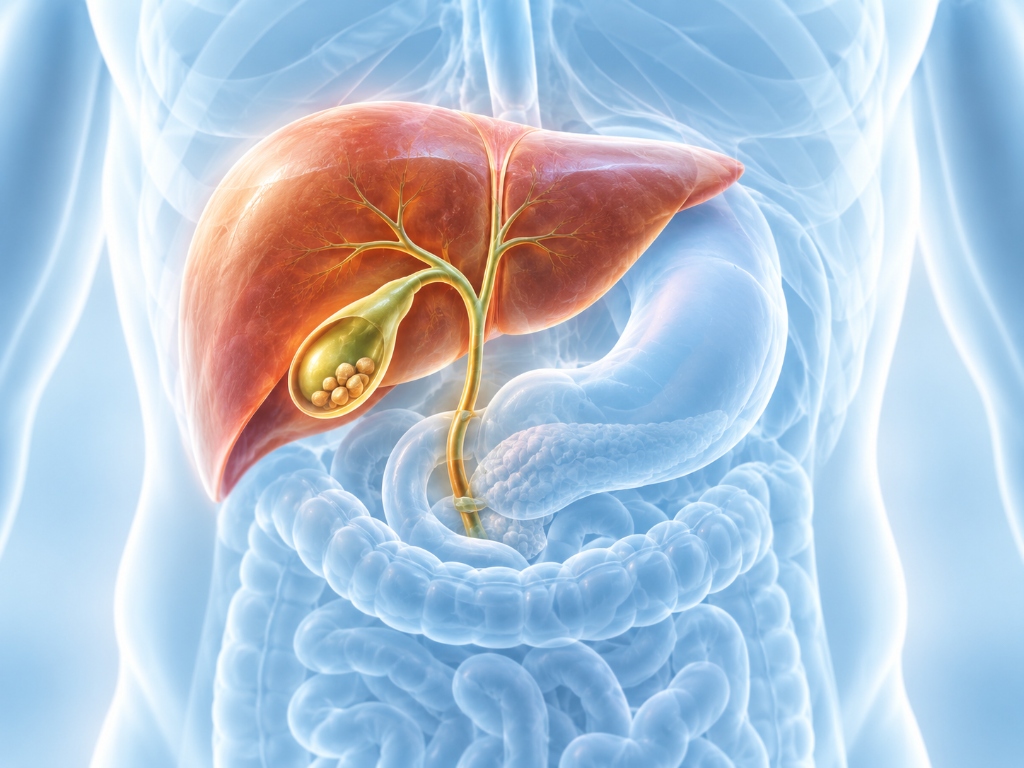
Quick patient guide
Remove a symptomatic or inflamed gallbladder.
Hospital keyhole surgery.
General anaesthesia.
Return to routine activity varies by patient and operative findings.
Why might it be recommended?
- Gallstones causing pain or complications
- Gallbladder inflammation or infection
- Gallbladder-related pancreatitis or recurrent biliary symptoms
How you are assessed
Assessment often includes symptom review, blood tests and imaging such as ultrasound, with further tests if bile duct stones are suspected.
Preparing for surgery
Preparation includes anaesthetic review, fasting instructions, medication review and discussion of keyhole and open approaches.
What happens during the procedure?
Small incisions allow a camera and instruments to separate the gallbladder safely from its duct and blood supply before removal.
Potential benefits
- Treatment of recurrent gallstone symptoms
- Reduced risk of further gallbladder inflammation in suitable cases
- Keyhole approach with smaller incisions where safe
Risks and possible complications
- Infection, bleeding or blood clots
- Bile leakage
- Injury to the bile duct, liver, bowel, nerves or blood vessels
Recovery and aftercare
Aftercare includes wound care, pain relief, diet guidance if needed and follow-up planning.
When to seek medical advice
Seek urgent advice for fever, jaundice, worsening abdominal pain, persistent vomiting or wound concerns.
Alternatives
Alternatives may include observation, medicines for symptom control or endoscopic treatment for bile duct stones.
Frequently asked questions
Seeing a gallbladder specialist in London
How do I choose a gallbladder specialist in London?
Look for a consultant surgeon who specialises in upper GI and hepatobiliary (HPB) surgery and regularly performs laparoscopic cholecystectomy. They should explain how your symptoms and imaging are assessed, discuss the risks and alternatives to surgery, and be listed on the GMC medical register. Prof. Hemant Sheth is a Consultant Upper GI, Laparoscopic & Hepatobiliary Surgeon.
Where can I see a gallbladder specialist in London?
Prof. Hemant Sheth offers private consultations for gallbladder and gallstone problems at Syon Clinic in Brentford (TW8 9DU) and Chiswick Medical Centre in Chiswick (W4 4HS), West London.
When should I see a gallbladder specialist?
A specialist review is worth considering if you have gallstones causing pain or complications, episodes of gallbladder inflammation, or gallstone-related pancreatitis. Seek urgent medical advice for fever, jaundice, worsening abdominal pain or persistent vomiting.
Is gallbladder removal done by keyhole surgery?
Gallbladder removal is commonly performed as laparoscopic (keyhole) cholecystectomy through small incisions. An open approach may be discussed if keyhole surgery is not safe for an individual patient.
Clinical review information
General information for consultation
This page is written as patient education and should be confirmed during consultation. It does not replace personalised medical advice.
Request a consultation
Ready to discuss Gallbladder Surgery?
Use the appointment flow when you are ready to discuss symptoms, investigations and treatment options with Prof. Sheth.